
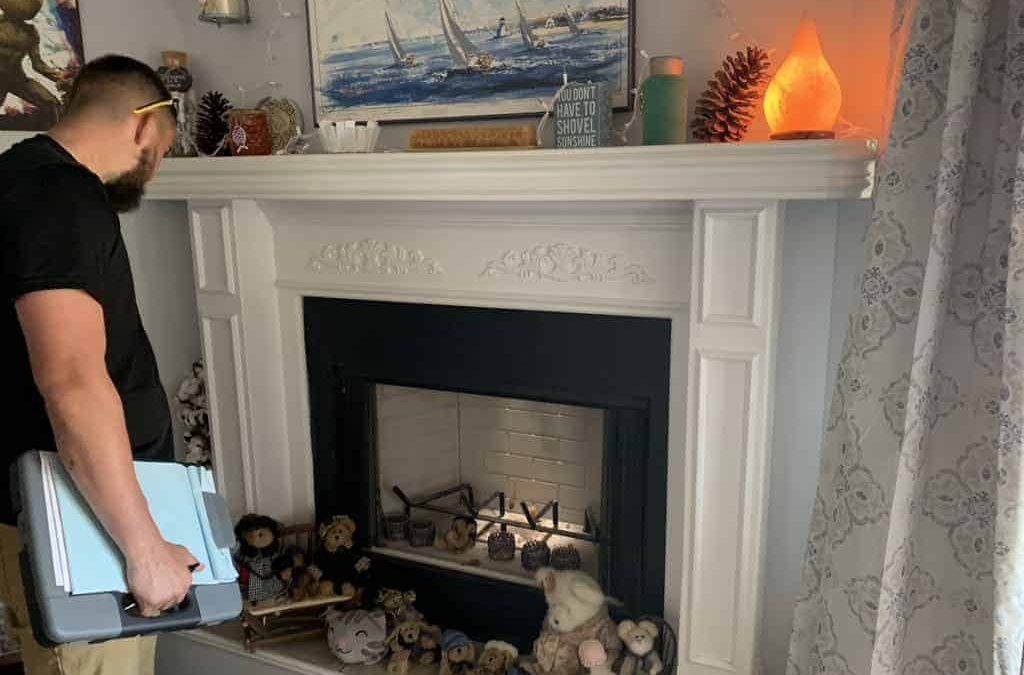
To repair a fireplace, you’ll need to identify the specific problem and address it accordingly. Common issues include a damper that won’t open or close, a cracked hearth or chimney, a smoke problem, or issues with the fireplace not drawing properly. Here are general steps to follow for some common fireplace repairs:
**1. Inspect the Fireplace and Chimney:**
– Check for any visible damage, cracks, or loose bricks in the chimney.
– Make sure the chimney cap is in good condition and securely in place.
– Inspect the flue for obstructions, such as bird nests or creosote buildup.
**2. Repairing a Damper:**
– If the damper is sticking, it may need to be cleaned or lubricated.
– If it’s broken, you might need to replace it with a new one that matches the size and type of your fireplace.
– To replace a damper, you’ll need to remove the old one, measure the flue opening, purchase a new damper, and install it according to the manufacturer’s instructions.
**3. Fixing a Smoke Problem:**
– Ensure the flue is clear of any obstructions.
– Check the chimney for any blockages or cracks.
– If there’s a downdraft, consider installing a chimney cap or a chimney damper to help control air flow.
– If the smoke is due to a cold chimney, try using a chimney sweep to warm it up before lighting a fire.
**4. Fixing a Cracked Hearth or Firebox:**
– For minor cracks, you can use refractory cement or high-temperature caulk to fill and seal them.
– For larger cracks or damaged areas, you may need to replace the affected bricks or have a professional masonry repair service fix it.
**5. Troubleshooting a Fireplace That Won’t Draw:**
– Check the flue for obstructions.
– Make sure the damper is fully open.
– Verify that the chimney is tall enough and properly lined.
– Consider having a chimney sweep inspect and clean the chimney to improve airflow.
– If the problem persists, you may need to install a chimney liner or a new chimney cap.
**6. Fixing a Draft:**
– Check for cracks or gaps around the chimney and fireplace opening.
– Seal any gaps with fireproof caulking or masonry sealant.
– Inspect the flashing around the chimney where it meets the roof for damage.
– Ensure the chimney cap is in good condition and properly sealed.
**7. Cleaning and Maintaining the Fireplace:**
– Remove any buildup of soot or creosote from the fireplace and chimney.
– Sweep the hearth and clean the glass doors.
– Keep the area around the fireplace free of debris and flammable materials.
– Have the chimney inspected and cleaned annually by a professional.
**8. Calling in a Professional:**
– If you suspect serious structural damage or if the repair seems beyond your skill level, it’s best to hire a professional chimney sweep or mason.
– They have the tools and expertise to safely and effectively perform the necessary repairs.
**Safety Precautions:**
– Always turn off the gas or electricity to the fireplace before attempting any repairs.
– Wear protective gear, such as gloves, safety glasses, and a dust mask, especially when dealing with soot or other debris.
– Work with a partner if you need to go on the roof or use a ladder.
– If you’re unsure about a repair, consult a professional to prevent further damage or safety hazards.
Remember that regular maintenance can prevent many fireplace issues. Have your chimney inspected and cleaned annually and only burn dry, seasoned wood to reduce the risk of creosote buildup and chimney fires. If you’re not comfortable with DIY repairs, contact chimney cricket for information…